Which Side of the Fence Is Mine? Boundary Fence Rules Explained
It’s one of the questions we hear most when we’re quoting for new fencing: which side of the fence is mine? Before you replace a tired or blown-down fence, it’s worth knowing who owns it, who is responsible for it and what you’re allowed to put up. This guide explains it in plain English.
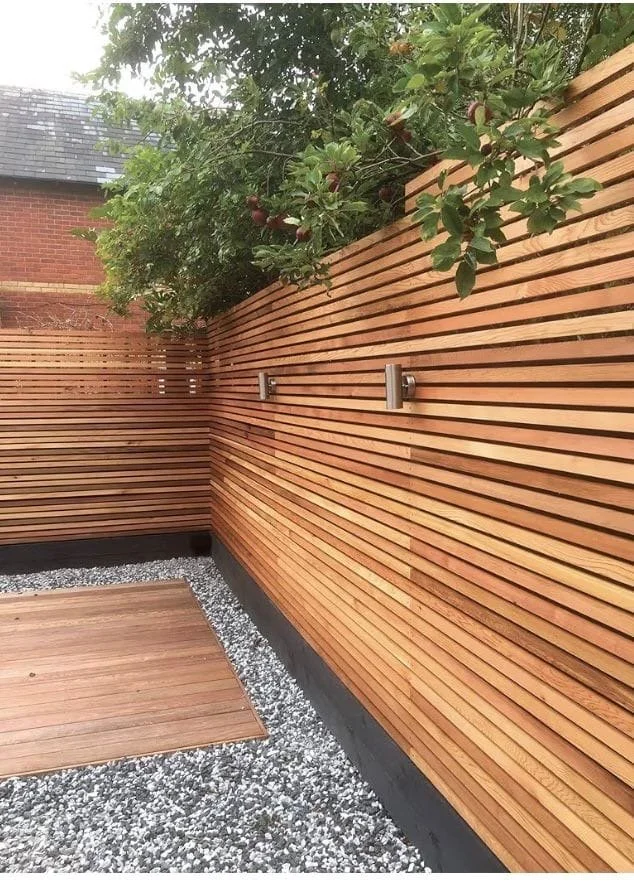
The left-hand side myth
You may have heard that the fence on your left, looking out from the back of the house, is always yours. It’s a common belief, but there’s no law that says so. Some housing estates were laid out that way by the builder, but many weren’t, and older properties often follow no pattern at all. The only reliable way to know is to check the paperwork for your property.
Check your title deeds
For most homes in England and Wales, ownership is recorded by HM Land Registry. You can download a copy of the title register and title plan for your property online from GOV.UK for a small fee. If your property has never been registered, the details will be in the original deeds, which may be held by you, your solicitor or your mortgage lender.
Look for wording about boundaries, fences or walls, and check whether the plan has any markings along the boundary lines. Keep in mind that most title plans show general boundaries only. They show roughly where the boundary runs, not the exact line to the centimetre.
What T marks and H marks mean
- A T mark on one side of a boundary line usually means the owner of that side is responsible for the fence or wall.
- Two T marks facing each other, or an H mark, usually means the boundary is shared and both neighbours are responsible.
- No marks at all is common. In that case you may need to look at the original conveyance or other evidence.
Being responsible for a fence isn’t quite the same as being forced to have one. In most cases there’s no legal duty to fence your garden at all, unless your deeds include a covenant that says you must.
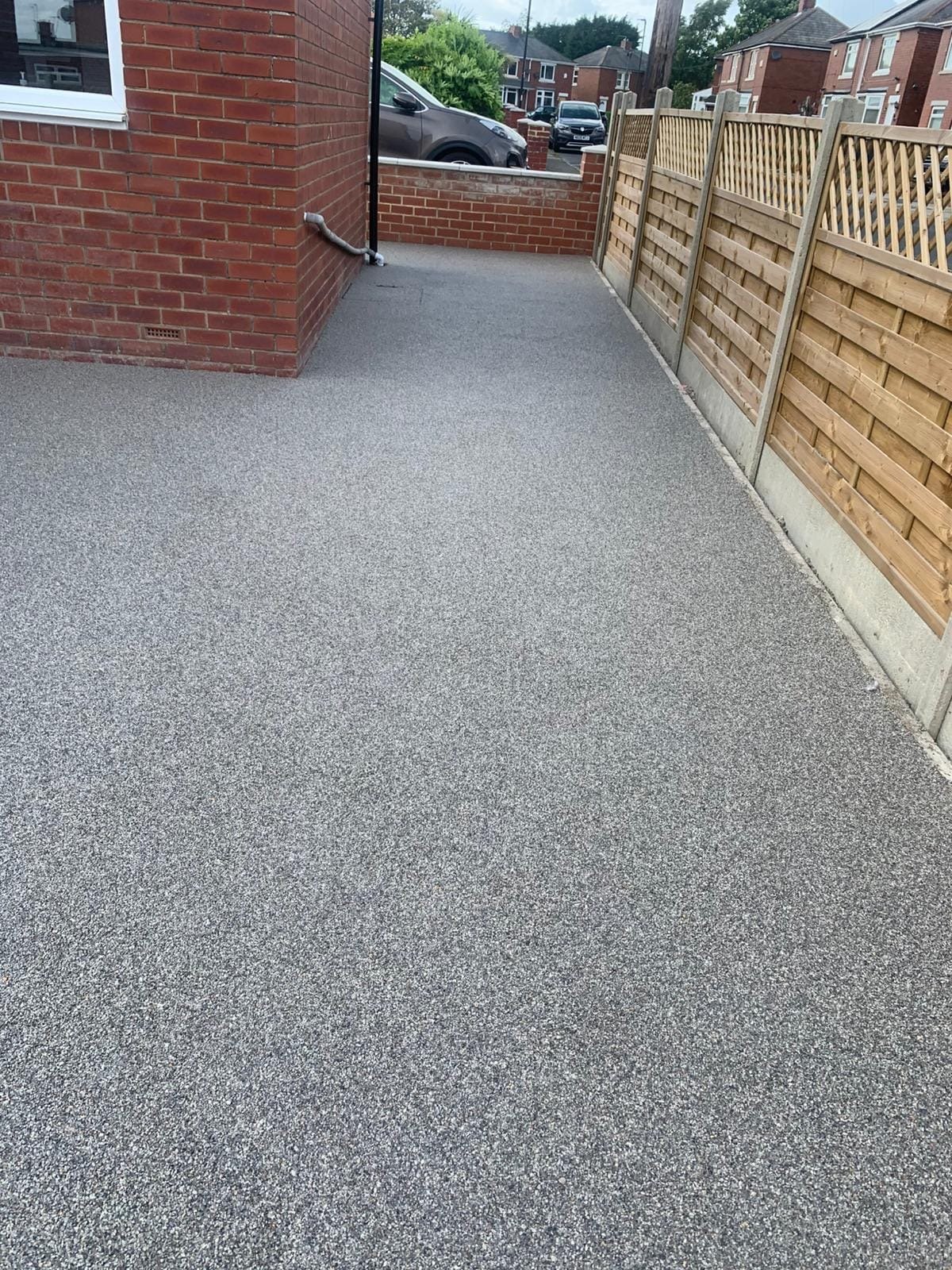
Other clues on the ground
If the paperwork doesn’t help, the fence itself can give you hints, although none of these prove ownership:
- Posts and rails: fences are traditionally put up with the posts and rails on the owner’s side and the smooth face towards the neighbour.
- Who put it up: if you or the previous owners paid for the current fence, keep the receipts or any written agreement.
- Neighbouring houses: on estates, the pattern on other houses in the street is often the same as yours.
Shared fences and who pays
If the boundary is shared, the fair approach is to agree the style, height and cost with your neighbour before any work starts, and to put what you agree in writing. If a fence is on your side and is your responsibility, you can usually replace it with a similar fence without asking, but it’s still good manners to let your neighbour know when the work is happening.
If you want a taller or stronger fence for your own privacy, you can always put up your own fence just inside your boundary. That way there’s no question about who owns it.
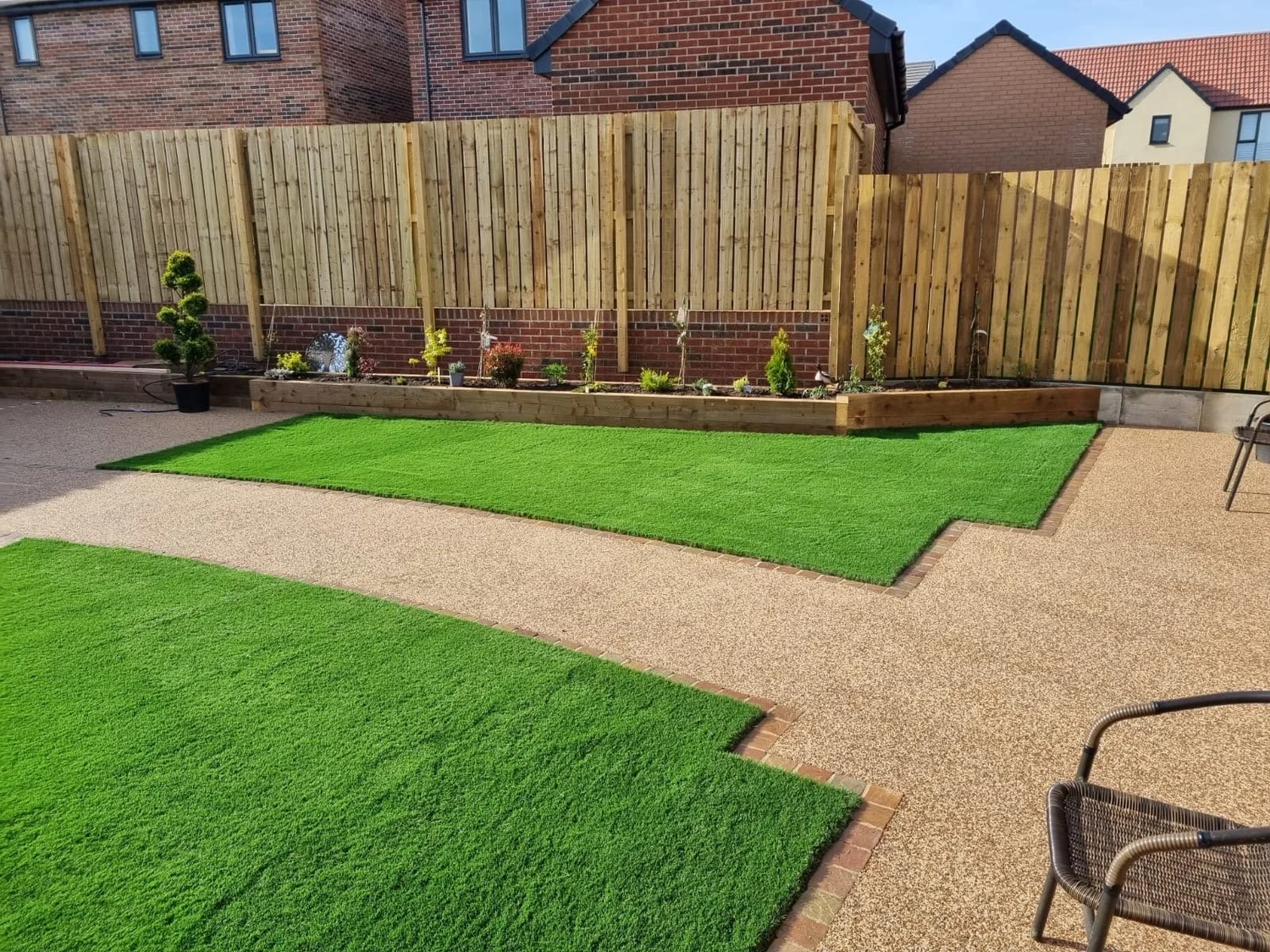
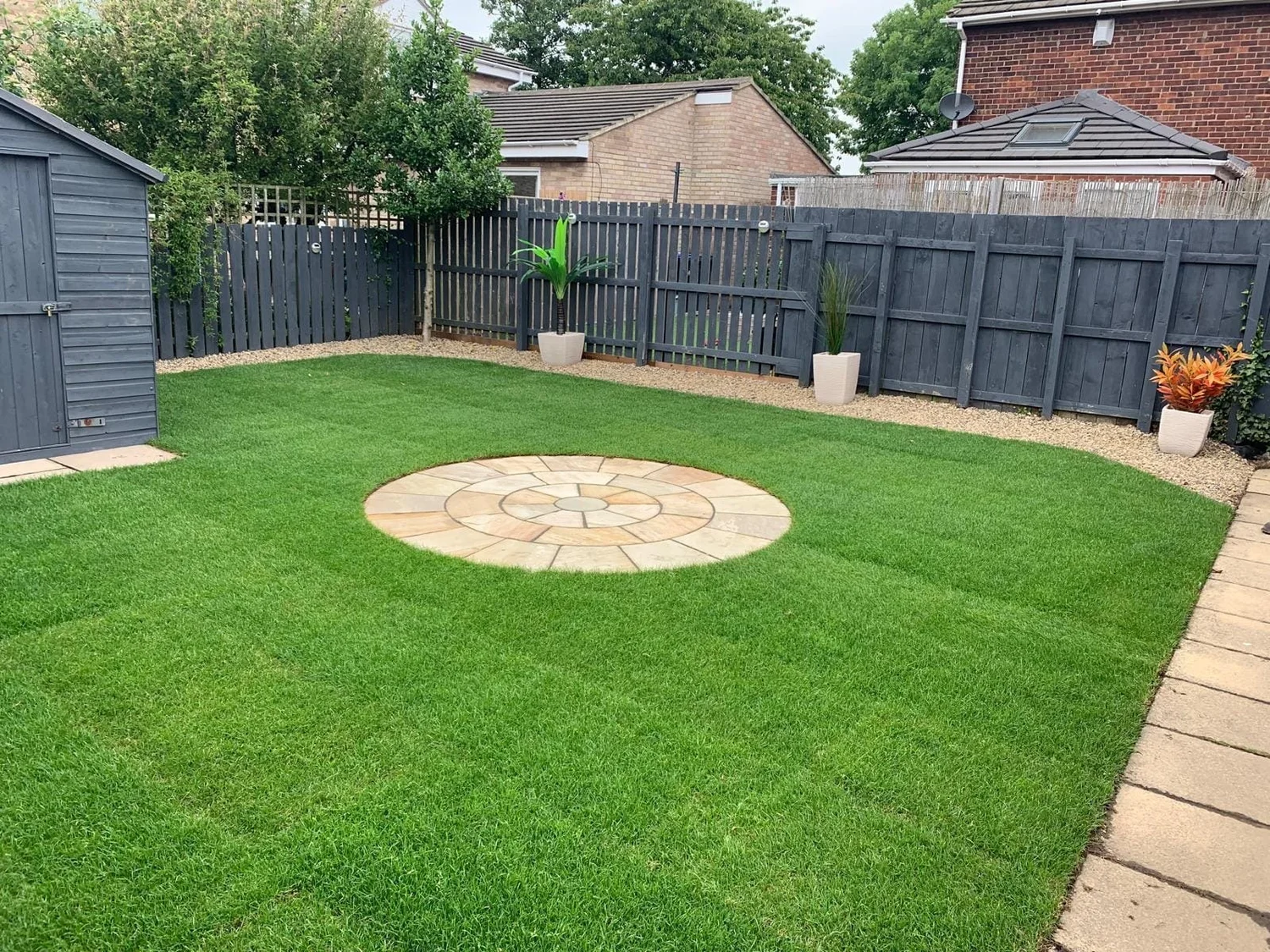
How high can a fence be?
In England, you can normally put up a fence, wall or gate without planning permission as long as it is:
- No more than 2 metres high in a back or side garden.
- No more than 1 metre high next to a road or footpath used by vehicles, which usually means front gardens.
The height is measured from the ground, and trellis or lattice on top counts towards the total. You’ll need permission if your home is a listed building, and some newer estates and conservation areas have extra restrictions, so check with your local council if you’re unsure. Our fencing page covers the styles we fit, from close-board to slatted screens.
Avoiding a boundary dispute
Most fence disagreements can be sorted with a friendly conversation. A few simple steps help:
- Talk to your neighbour before any work starts and agree what’s happening.
- Share a copy of the title plan so you’re both looking at the same information.
- Don’t move the line of the fence. Replace it in the same position.
- If you really can’t agree, a mediation service or a specialist boundary surveyor can help before things escalate.
Common questions
Is the fence on the left always mine?
No. There is no law that says the left-hand fence is yours. Check your title register and plan, or your original deeds, to find out.
Does the good side of the fence have to face my neighbour?
There’s no legal rule, but it’s a long-standing convention to face the smooth side outwards, with the posts and rails on your own side.
Can my neighbour attach things to my fence?
They shouldn’t attach trellis, plants or fixings to a fence you own without your permission. A friendly agreement is the best way to handle it.
Do I need my neighbour’s permission to replace my own fence?
Not usually, if the fence is yours and you’re replacing it in the same place at a similar height. You will need access to their side for some jobs, so it pays to ask first.
Can you replace a fence for me?
Yes. We take down and clear away the old fence, set new posts in concrete and fit new panels or boards, often in a day or two.
Need a new fence?
We will measure up, talk through the options and give you a clear written price for your new fence.
Get a free quoteSee our fencing