A new deck can give you a level, dry place to sit out for many years, or it can turn soft and slippery within a few winters. The difference usually comes down to three things: the boards you choose, the frame underneath and how the deck is looked after. This guide explains how long each type of decking lasts, what makes decks fail early in North East gardens and how to tell when yours is past its best.
How long does decking last?
There’s no single answer, because the material makes a big difference. As a rough guide, these are the lifespans you can expect from a deck that has been built properly and looked after:
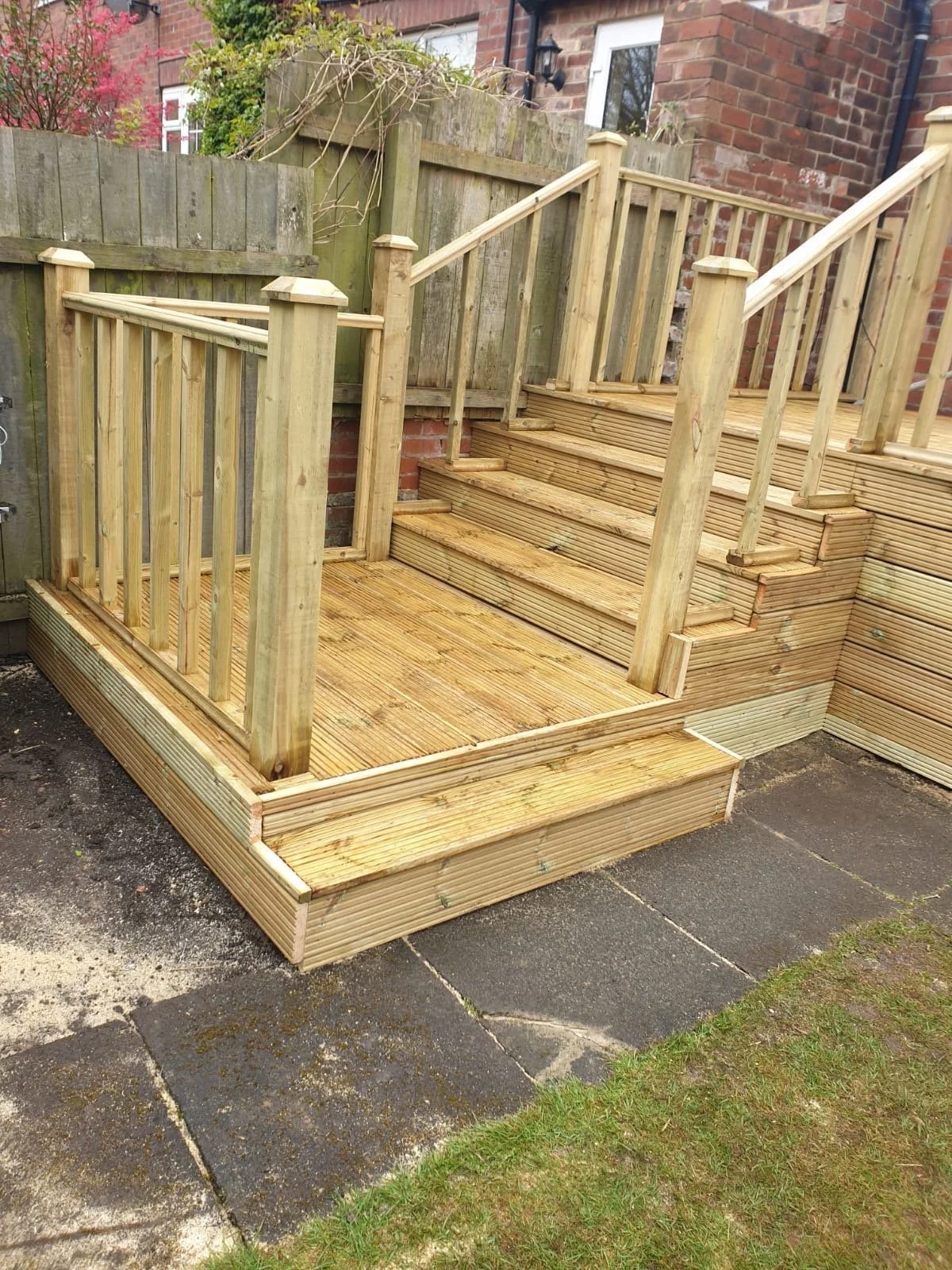
- Pressure-treated softwood: around 10 to 15 years with regular care. This is the most common type of timber decking in the UK. The pressure treatment protects the wood against rot and insects, but it still needs cleaning and re-treating every year or two.
- Hardwood: 20 years or more. Dense hardwoods are naturally more resistant to rot and wear. Left alone they weather to a silver-grey, or you can oil them each year to keep the richer colour.
- Composite: often 20 years or more. Composite boards are made from a blend of wood fibre and plastic, so they don’t rot, splinter or need staining. Good quality boards usually come with a long manufacturer’s guarantee.
Those figures assume the deck was built well in the first place. A softwood deck on a poor frame can fail in five years, while a carefully built and maintained one can comfortably outlast the estimate. It’s also worth remembering that composite boards still sit on a timber frame in most cases, so the frame needs to be built to last as long as the boards.
The boards are what you see, but the frame decides how long a deck really lasts. Most of the rotten decks we replace failed from underneath first.
What shortens a deck’s life
When we’re asked to look at a tired or rotten deck, the cause is nearly always one or more of these:
- Joists set too far apart: boards spanning too wide a gap flex every time you walk on them. Over time that loosens fixings, splits timber and leaves the deck bouncy. Composite boards need closer joist spacing than timber.
- Ground contact: timber sitting directly on soil, or posts that aren’t set properly in concrete, stays wet and rots far faster than the rest of the deck.
- No airflow underneath: a deck built tight to the ground with no gaps for ventilation never dries out. Damp, still air under the boards is the perfect place for rot and mould.
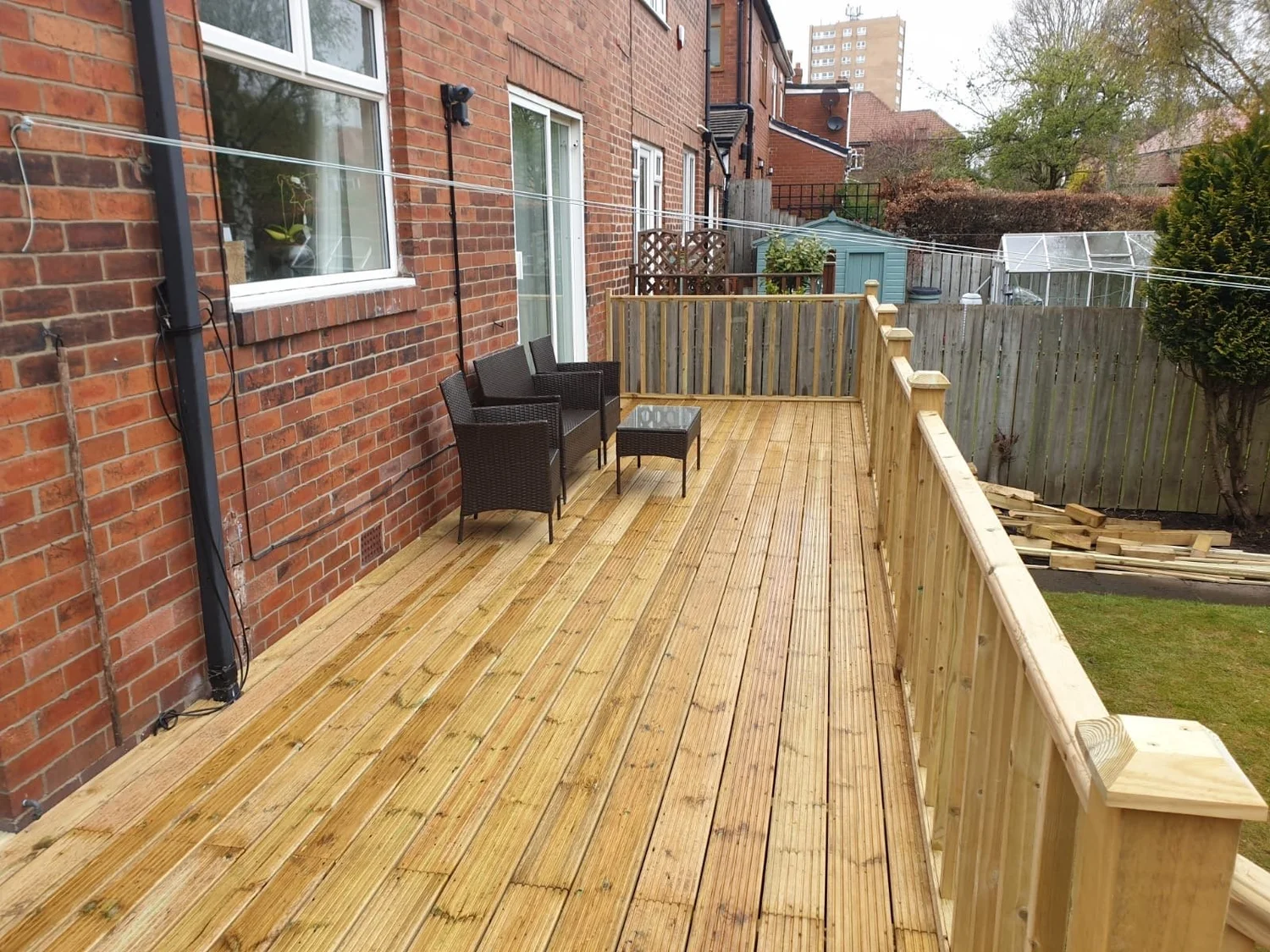
- Shade and our damp climate: North East gardens get plenty of rain, cool temperatures and short winter days. A deck in the shade of a house, fence or trees can stay wet for weeks, which encourages algae, moss and rot.
- Poor fixings: cheap screws and nails rust, stain the timber and lose their grip. Stainless steel or coated decking screws, or hidden clip systems for composite, last much longer.
- No maintenance: leaves, dirt and moss left on the boards hold moisture against the timber. Skipping cleaning and re-treating is the quickest way to take years off a softwood deck.
Signs your deck is failing
It’s worth giving your deck a proper check once a year, ideally in spring. Look out for:
- Soft or spongy boards: if a board gives underfoot, the timber may be rotting from the inside.
- The screwdriver test: push a screwdriver into the boards, joists and posts, especially near the ground and around fixings. Sound timber resists. If the tip sinks in easily or the wood crumbles, there’s rot.
- Wobble and movement: steps, handrails or balustrades that move when you lean on them are a safety problem and should be fixed straight away.
- Bounce: a deck that flexes noticeably as you walk across it usually has undersized or widely spaced joists, or joists that are starting to fail.
- Rusty or popped fixings: rust streaks around screw heads, or screws and nails lifting out of the boards, mean the fixings are losing their hold.
- Splits, cupping and loose boards: boards that have split along their length, curled at the edges or worked loose let more water in and can become a trip hazard.
- A constant green film: algae that comes back soon after cleaning is a sign the deck isn’t drying out properly.
A season-by-season maintenance plan
A little regular care makes a big difference, particularly for timber decks. Here’s a simple routine that works in our weather:
- Spring: give the deck a thorough clean with a stiff brush and a decking cleaner, clear out the gaps between boards and check for soft spots, loose fixings and wobbly balustrades. Once it’s dry, re-treat, stain or oil timber decks if they need it.
- Summer: sweep regularly, move planters and furniture now and then so the boards underneath can dry, and wipe up spills from barbecues and drinks before they stain.
- Autumn: this is the most important season in the North East. Clear fallen leaves often, because wet leaves left on a deck cause staining, algae and slippery boards. Cut back overhanging plants and check gutters and downpipes aren’t emptying onto the deck.
- Winter: keep the boards clear of leaves and debris, brush off standing snow rather than leaving it to melt slowly, and avoid rock salt on timber. A light anti-slip treatment helps in shady spots.
Composite decks need far less attention. A wash down a couple of times a year and regular sweeping is usually all they need, with no sanding or staining. A pressure washer can be useful on a dirty deck, but use a low setting and keep the lance moving, because too much pressure can raise the grain on timber and damage the surface of some boards.
Repair or replace?
Not every tired deck needs pulling up. The key question is whether the frame is still sound.
- Repair if the problems are limited to a few boards, some loose fixings or a wobbly handrail, and the joists and posts pass the screwdriver test. Replacing individual boards and fixings can give a deck several more years.
- Refresh if the deck is solid but looks grey and grubby. A deep clean and fresh treatment can transform a timber deck that’s structurally fine.
- Replace if the joists or posts are soft, the deck bounces or leans, rot has spread across many boards, or the deck was built straight on the ground with no ventilation. Laying new boards on a rotten frame only hides the problem for a short time.
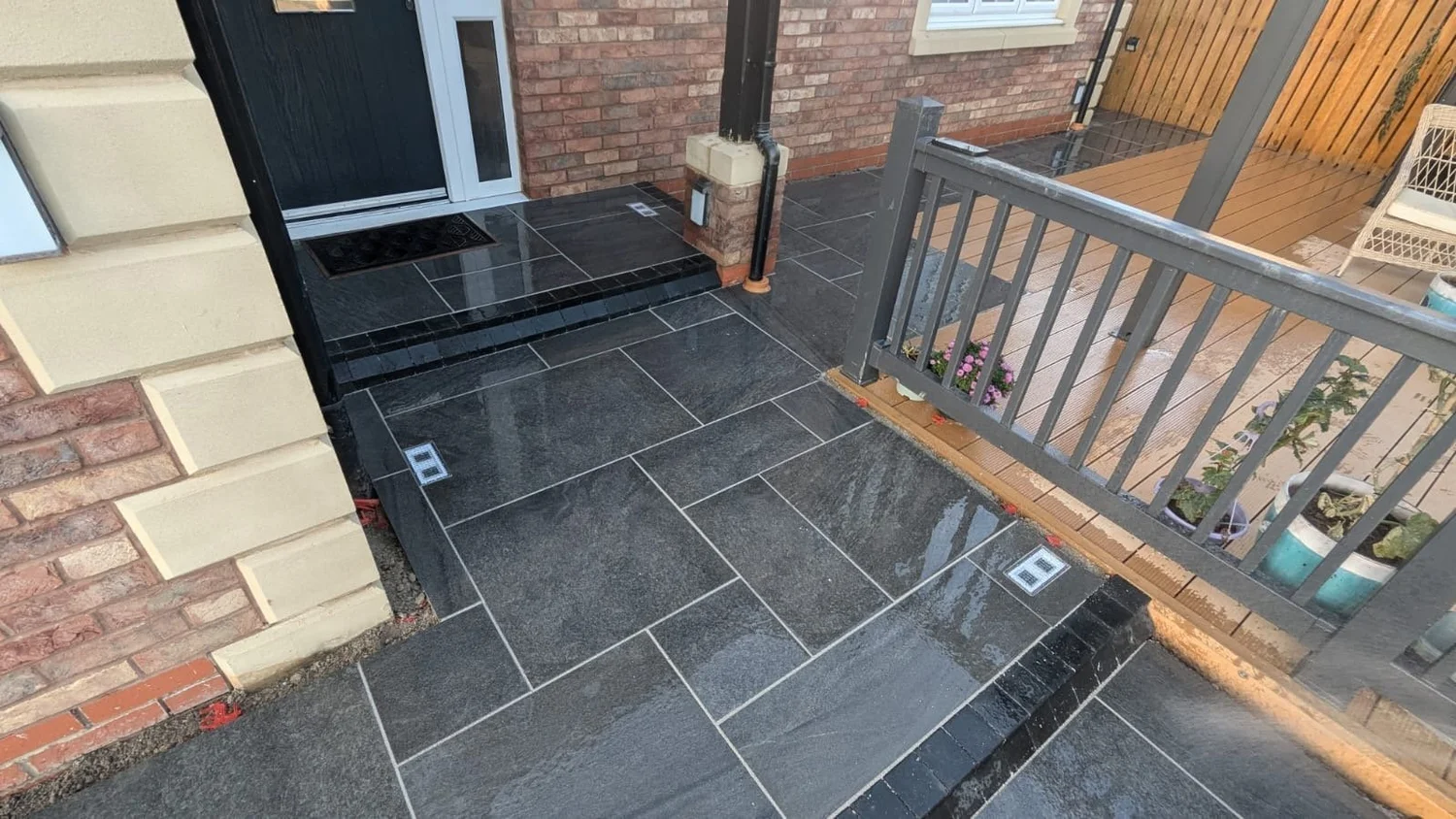
If you’re replacing, it’s a good chance to rethink the space. Some homeowners swap a shaded, damp deck for a patio, or move the deck to the sunniest corner of the garden. We often plan a replacement deck alongside new paving, lawn or planting as part of a wider garden makeover.
How to make a new deck last longer
The longest-lasting decks are the ones that were planned and built with our climate in mind. If you’re having a new deck built, these are the things that matter most:
- Ground prepared properly: vegetation cleared, the ground levelled and a weed membrane laid so nothing grows up through the deck.
- Solid footings: posts set in concrete, or adjustable supports on firm pads, so the deck can’t sink or rock.
- A treated frame at the right spacing: pressure-treated joists at close centres, with tighter spacing for composite boards.
- Airflow and drainage: space under the frame and gaps between the boards so the deck dries out after rain.
- The right boards for the spot: composite or grooved anti-slip boards are often the better choice for shady, damp gardens.
- Fixings that last: stainless steel or coated screws, or hidden clip systems for composite boards.
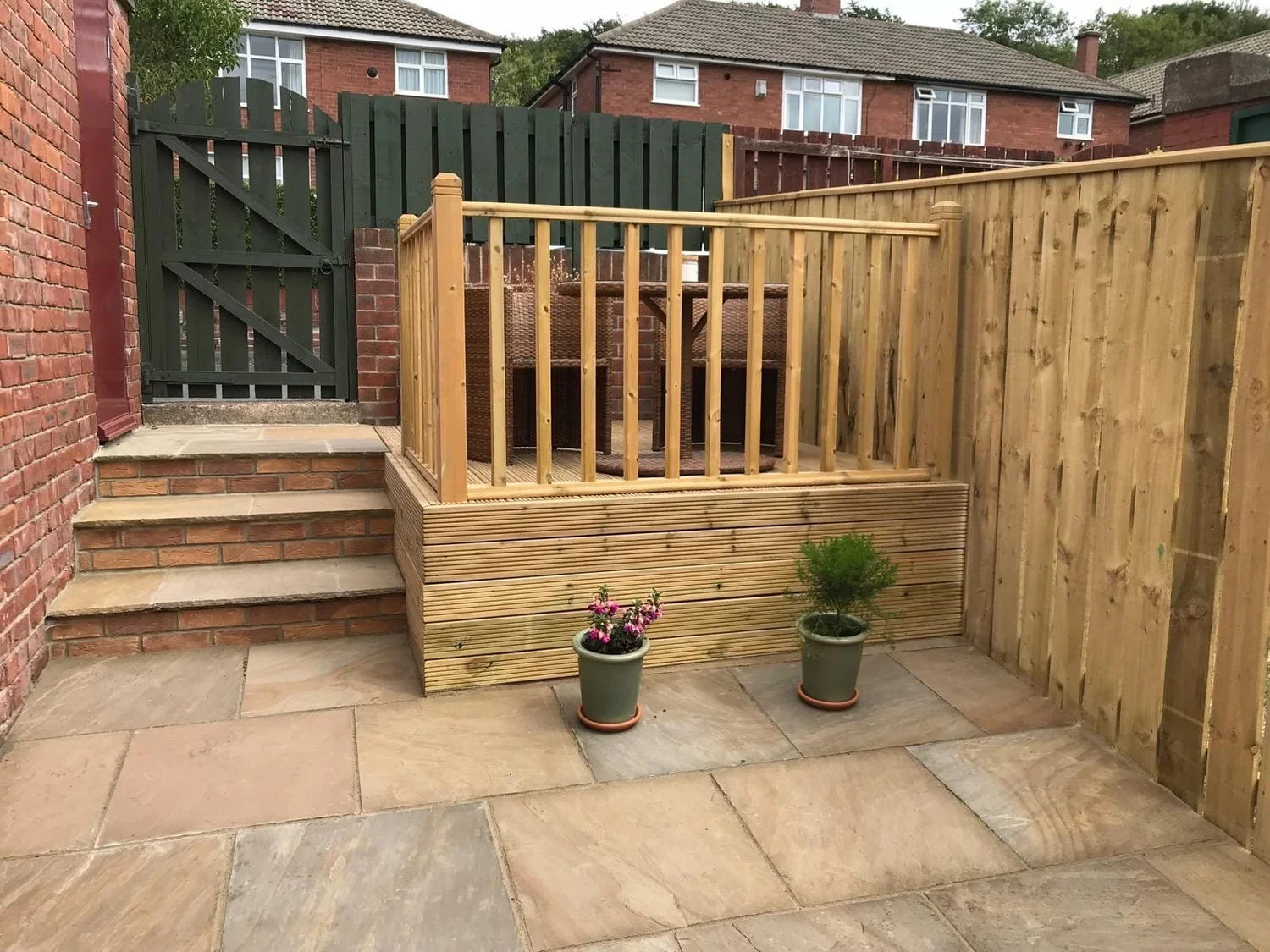
- Thought-out surroundings: a deck tucked against a tall fence or under trees gets less sun and air. Slatted screening lets the breeze through while still giving privacy.
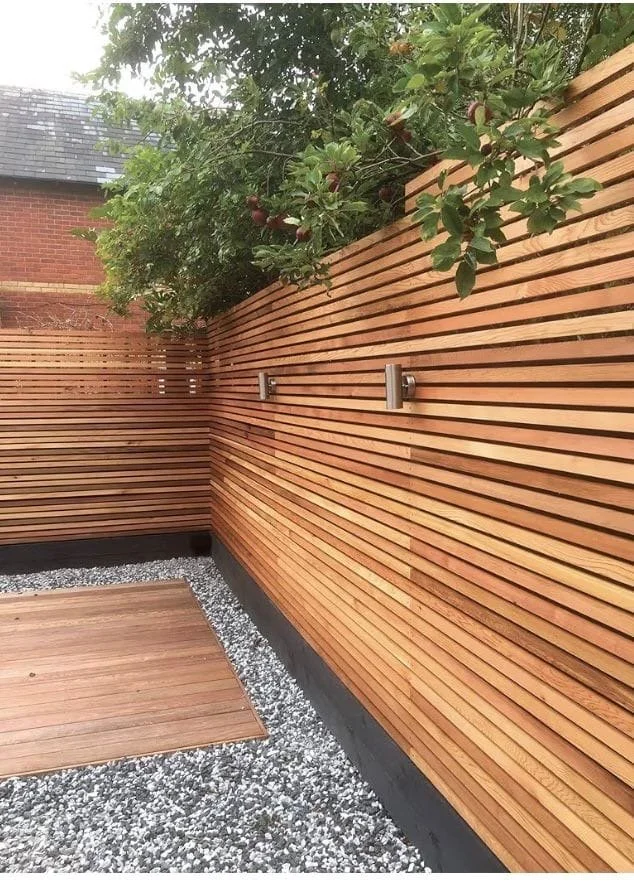
If you want privacy around your deck, a slatted screen or matching fencing can be designed in from the start, so it shelters the seating area without trapping damp. You can see how we build our frames and compare timber with composite on our decking page.
Common questions
How long does a timber deck last?
A well-built pressure-treated softwood deck typically lasts 10 to 15 years with regular care. Hardwood decks often last 20 years or more.
Does composite decking last longer than wood?
Good quality composite boards often last 20 years or more and don’t rot, splinter or need staining, so they usually outlast softwood. The frame underneath still needs to be built properly for the deck to last that long.
Why has my deck rotted so quickly?
The most common causes are timber in contact with the ground, no airflow underneath, joists set too far apart and a shady spot that never dries out. Leaves and dirt left on the boards make it worse.
How often should I treat my decking?
Timber decks usually need cleaning and re-treating or staining every one to two years, and hardwood benefits from oiling each year if you want to keep its colour. Composite decking doesn’t need treating.
Can I put new boards on my old deck frame?
Only if the frame is sound. If the joists and posts pass the screwdriver test and the deck doesn’t bounce, re-boarding can work. If the frame is soft or rotten, it needs replacing too.
Can you replace an old, rotten deck?
Yes. We take up the old boards and frame, dispose of them and check the ground. If the existing frame is sound we’ll tell you, but in most cases a new frame is the safer option.
Is your deck past its best?
We will look at your garden, show you timber and composite samples and give you a clear written price for a new deck built to last.
Get a free quoteSee our decking